Elsie May SOUNDY
8 February 1886 - 14 October 1964
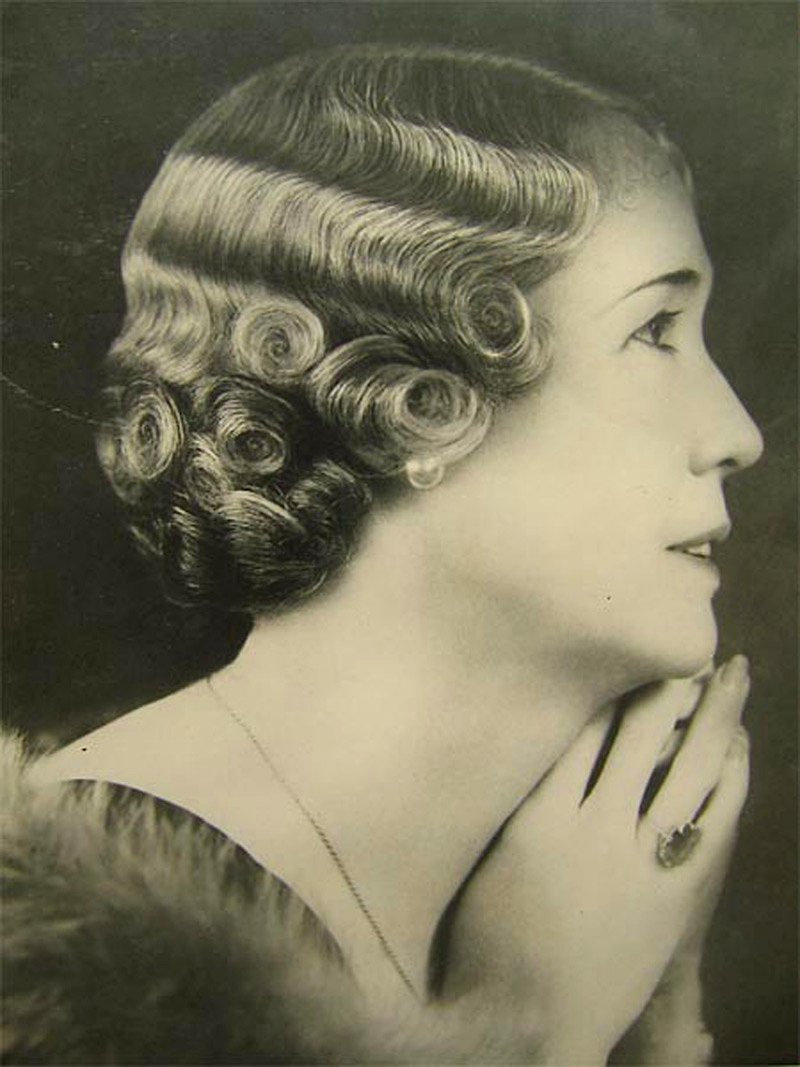
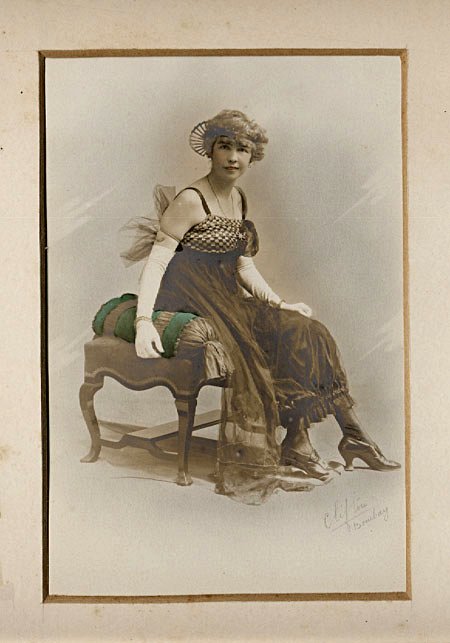
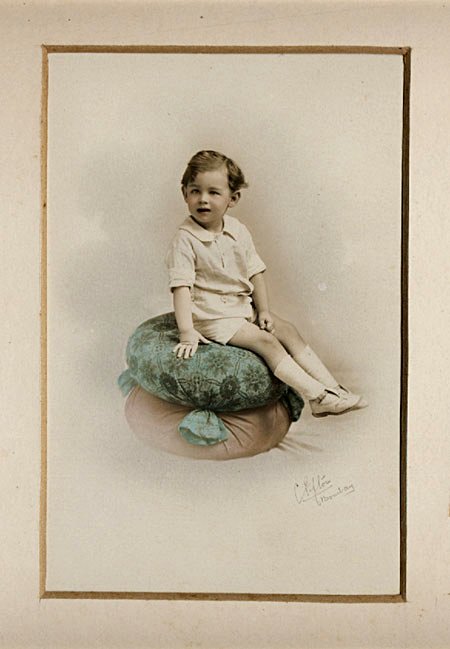
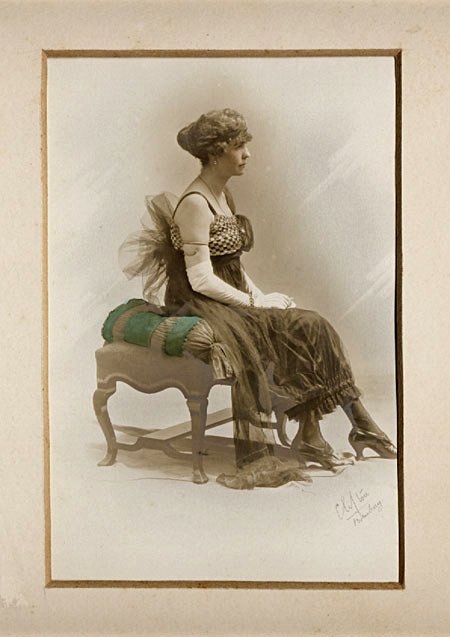
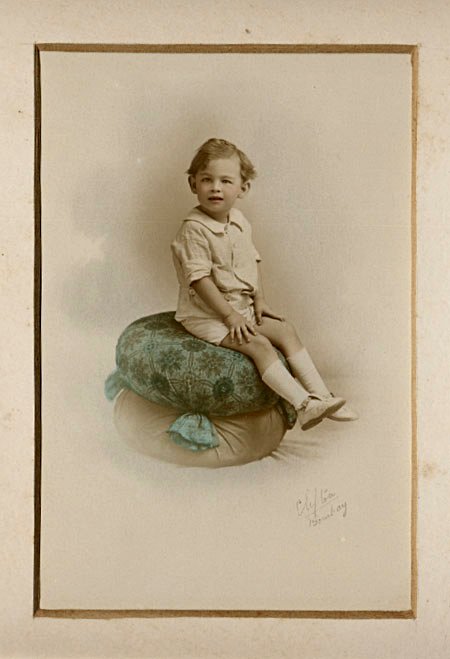
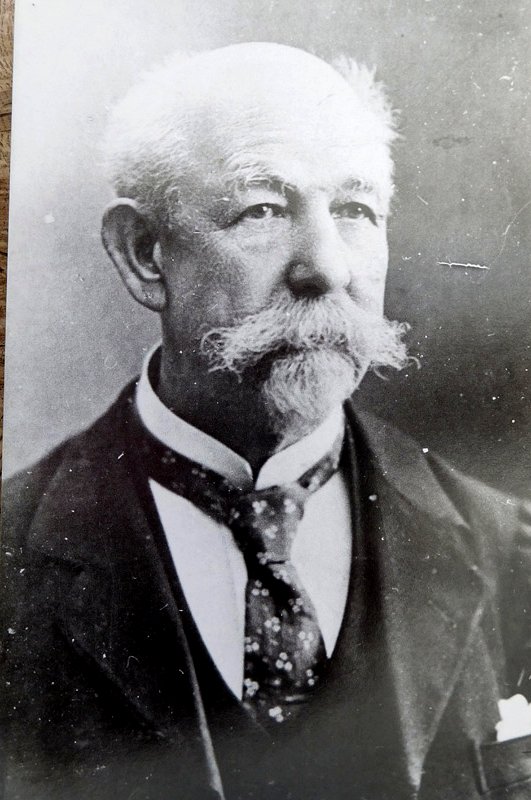
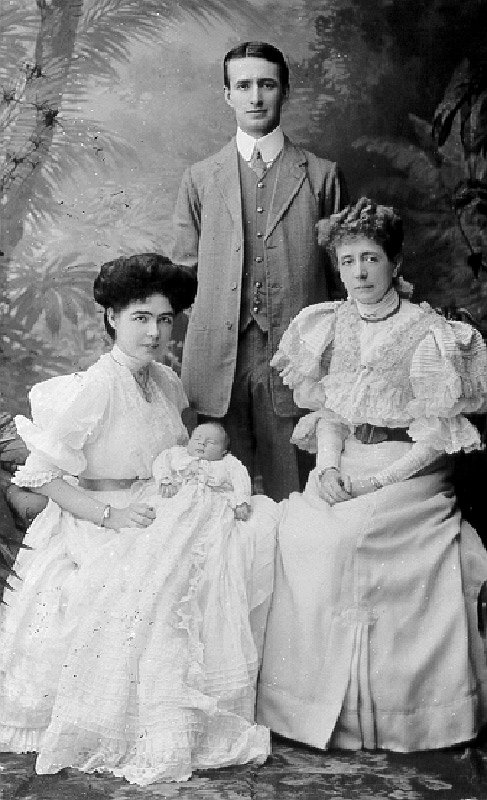
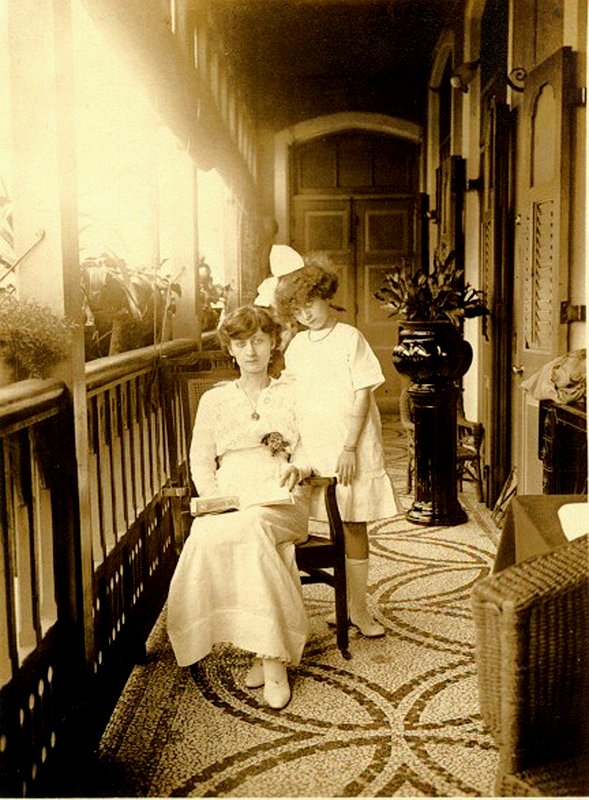
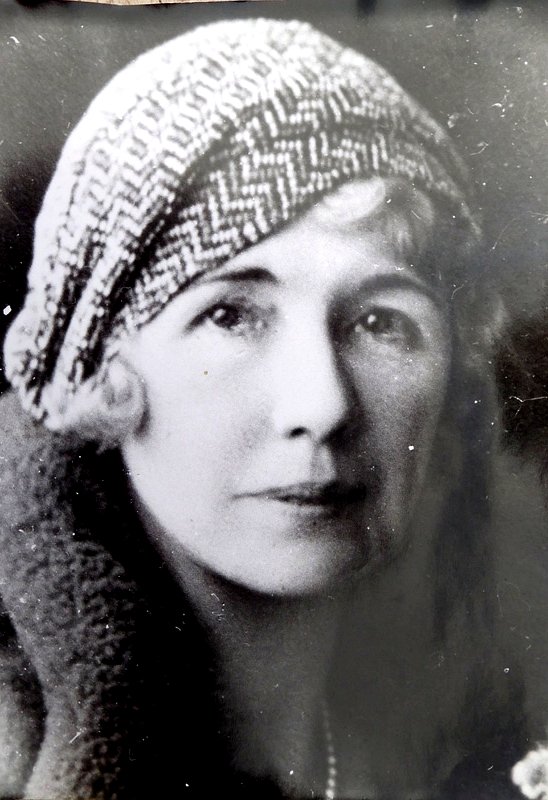
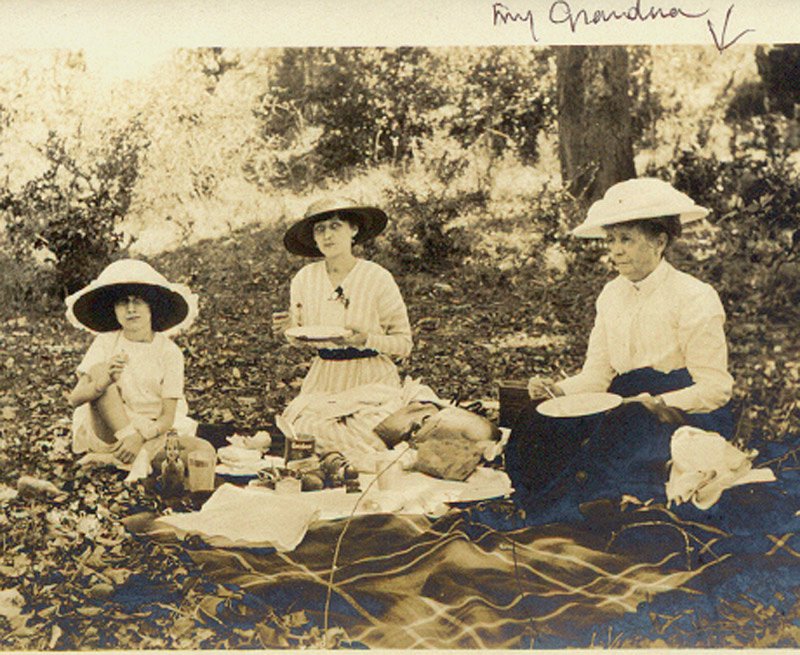
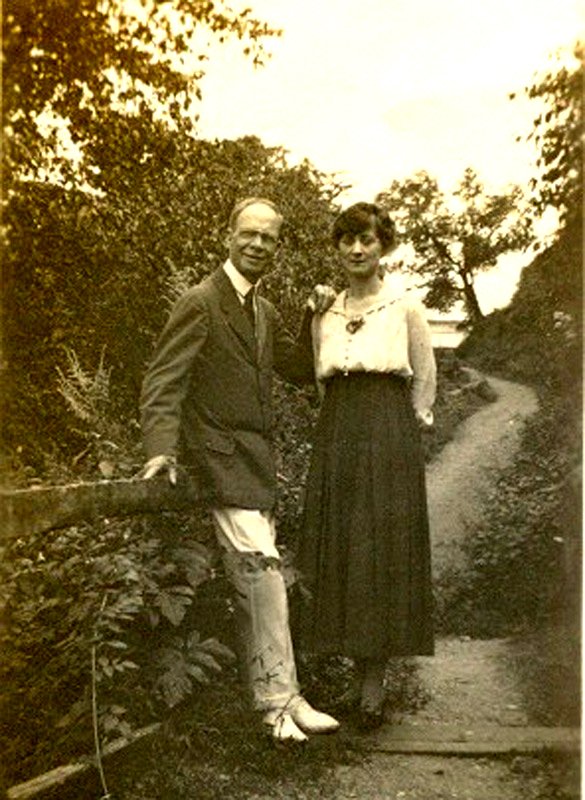
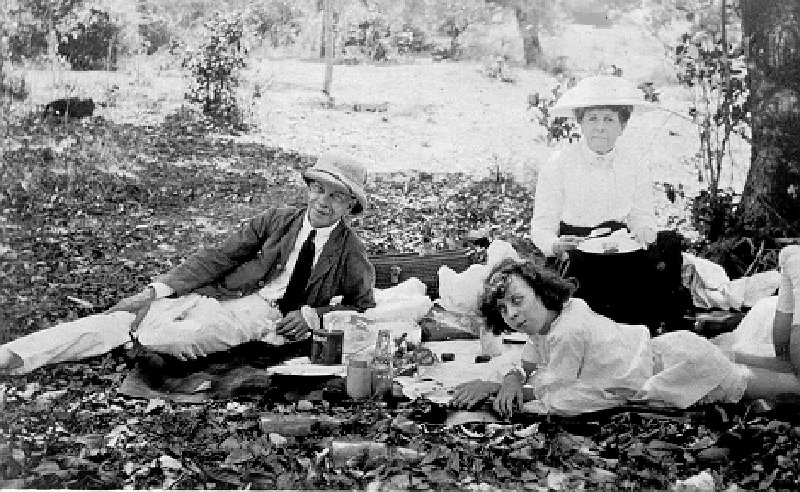
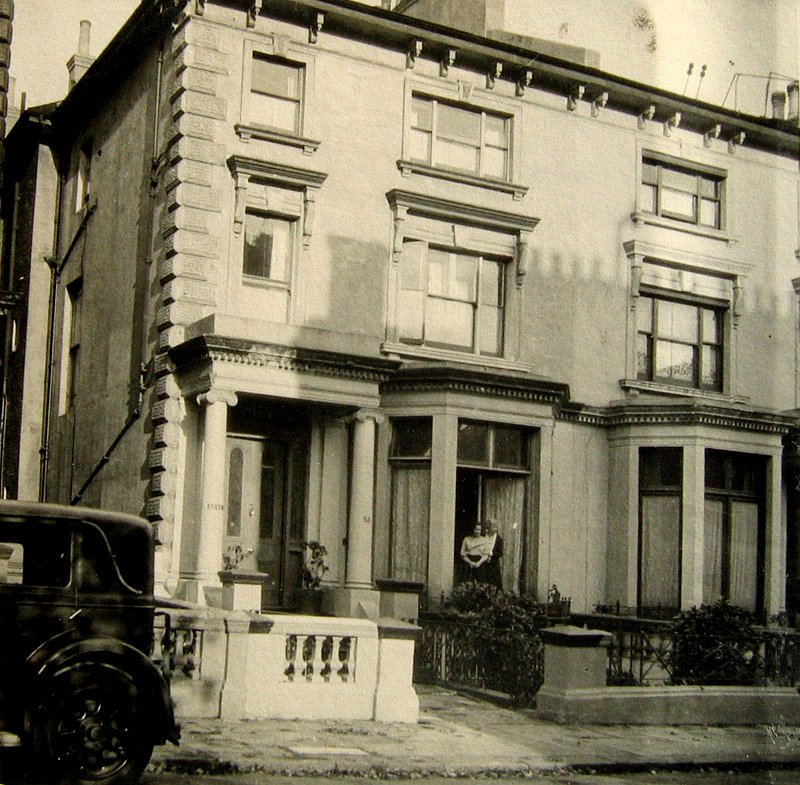
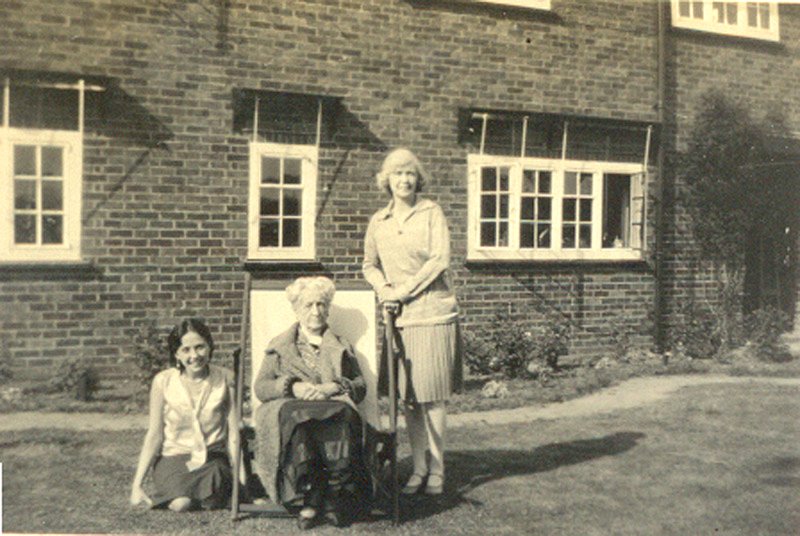
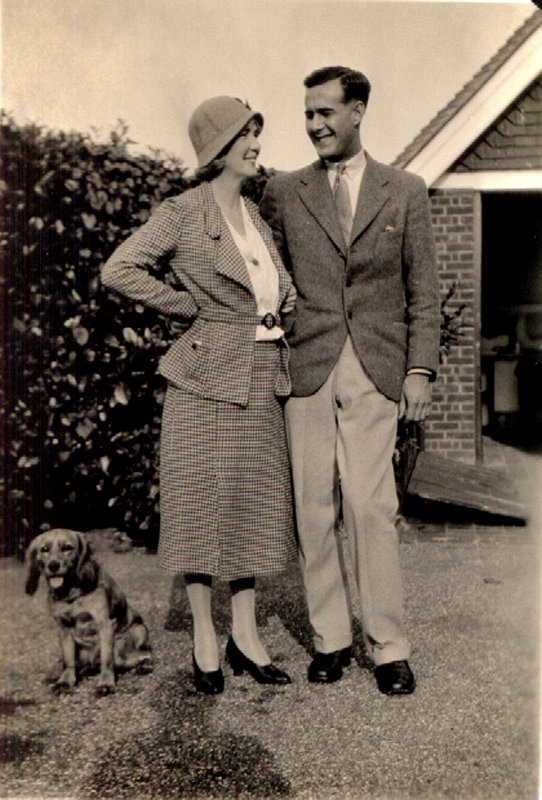
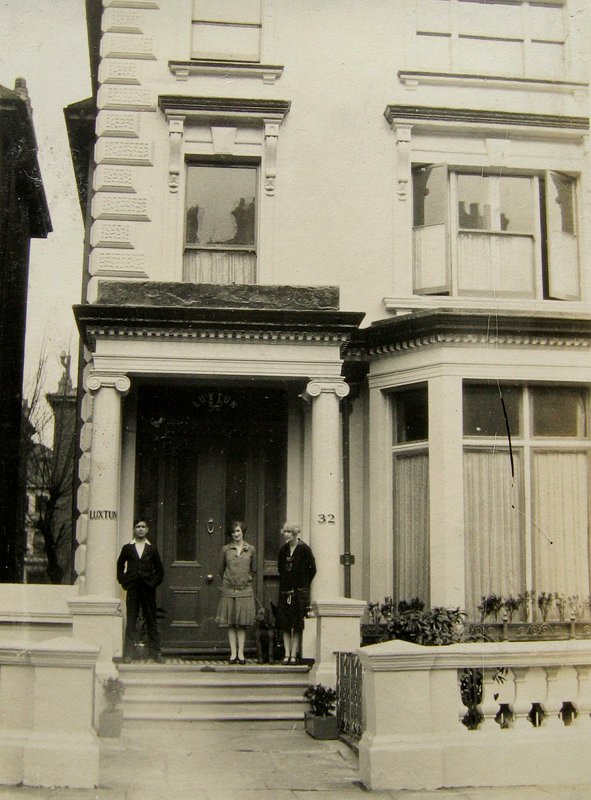
| BORN | 8th Feb 1886 in Bombay |
|---|---|
| FATHER | Arthur Francis SOUNDY 1836-1911 |
| MOTHER | Ada Mary PLAMER 1852-1931 |
| MARRIED | 5th Sep 1906 Jules Leonard SCHAUMBURG in Bombay Changed name by deed poll 11.viii.1914 to Leonard HARRIS |
| CHILDREN | Doris Ada Ethel SCHAUMBURG b. 21 Feb 1908 Bruce Clifton SCHAUMBURG b. 5 Sep 1909 Dudley Palmer SCHAUMBURG b. 21 Oct 1912 All three took the name HARRIS. |
| DIVORCED | 5th May 1916 |
| MARRIED | 9th Jun 1917 Arthur David LINKLATER in Bombay |
| CHILDREN | Nelson Valdemar LINKLATER b. 15 Aug 1918 in Bombay |
| DIED | 14 October 1964, Windsor |
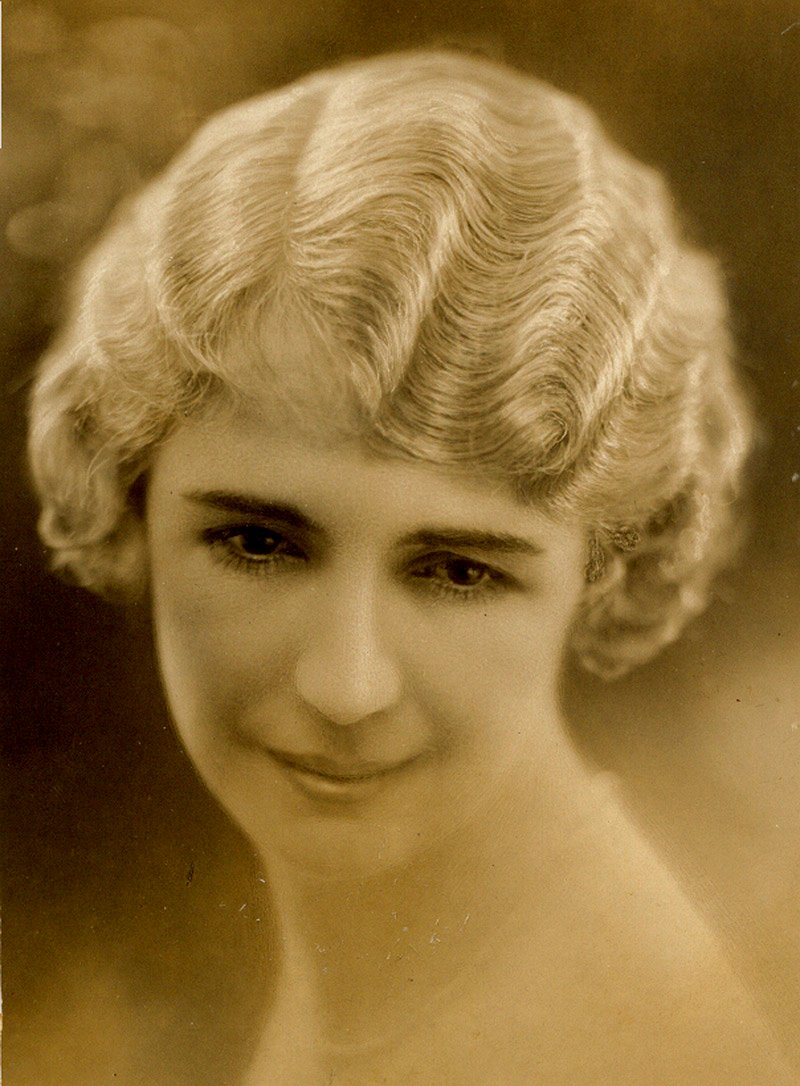
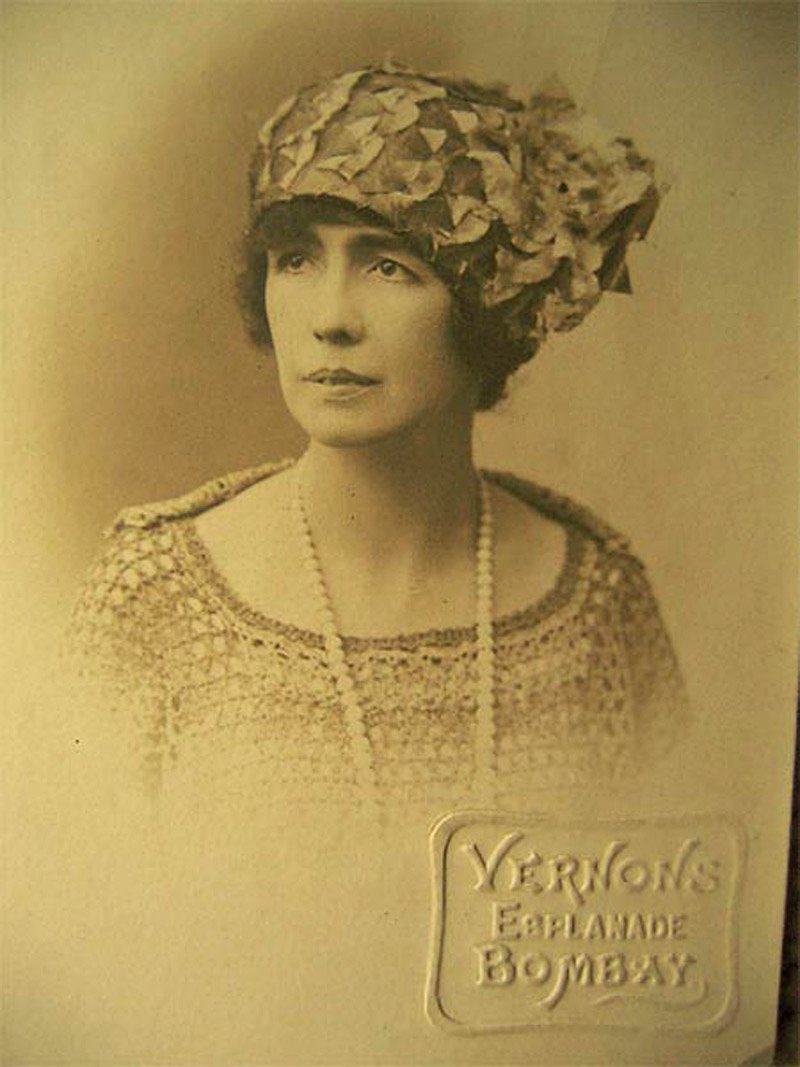
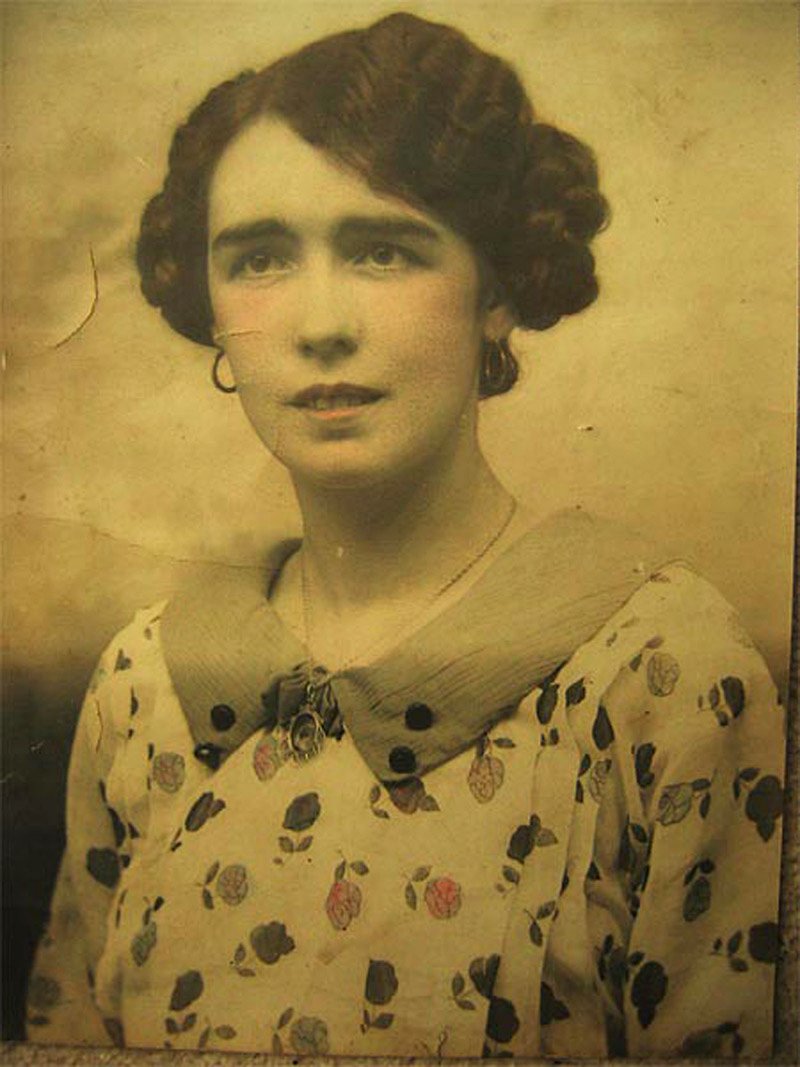
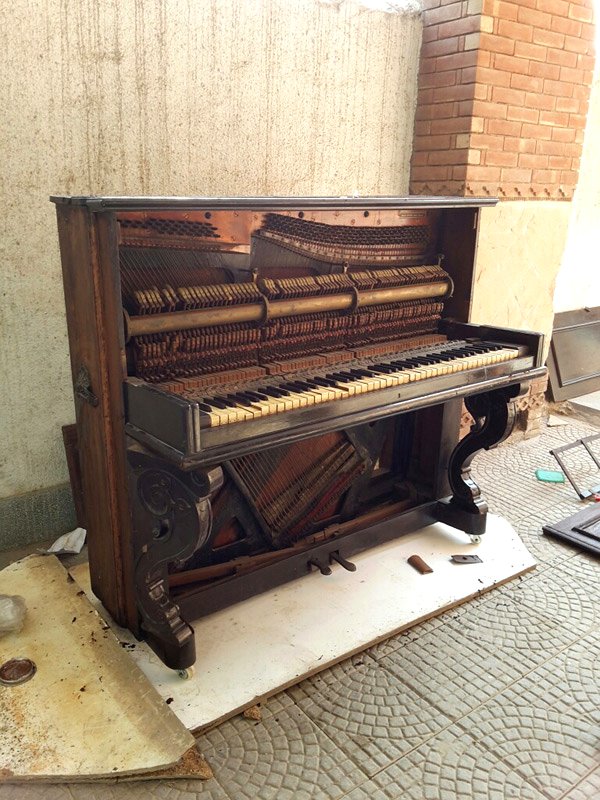
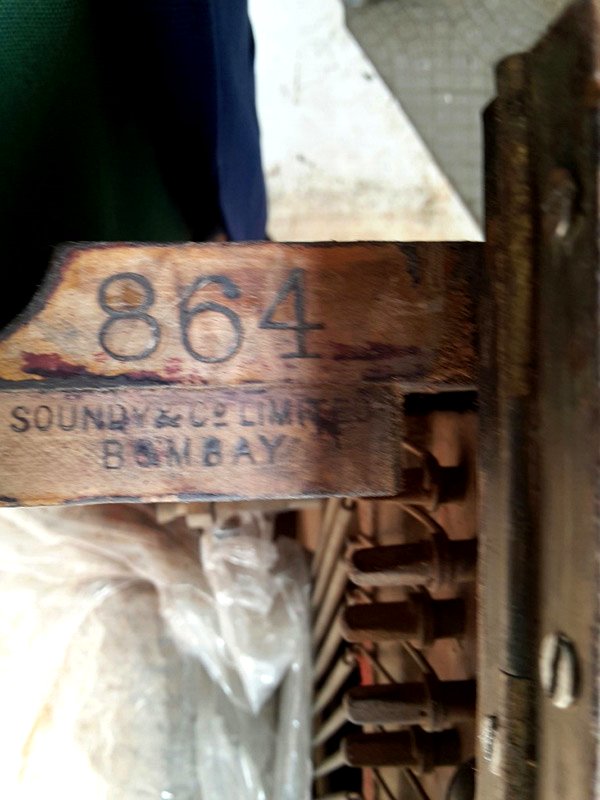
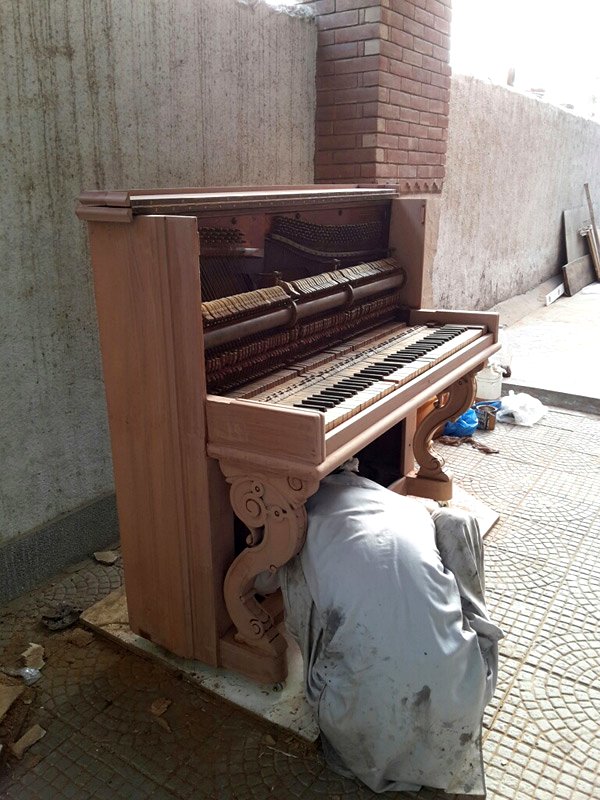
Elsie as I must get used to calling her, was always ‘Granny’ or ‘Granny Links’ to us, including my mother, but her son, my father, called her ‘Ma’. On her birth certificate her father's ‘abode’ is stated as Mazagen and his ‘quality, trade or profession’ as ‘Secretary Soundy & Co Limited’. I think this company were importers or manufacturers of, among other things, pianos which, I was ‘reliably’ informed, Elsie put through their paces to impress prospective customers. But when she lived with us in Windsor and my parents bought a piano I never heard her lay a finger on it. Indeed I do not remember Elsie showing any signs of interest in music at all. Here is one that is being restored in India that surfaced recently. The brass candle-holders that were fixed to the front were elsewhere being restored at the time these images were taken.
The Lumière brothers, Auguste and Louis, were French manufacturers of photography equipment, and best known today for their Cinématographe motion picture system and the short films they produced between 1895 and 1905, which places them among the earliest film makers. They are credited with the first presentation of projected film on 22 March 1895, for around 200 members of a French Industrial Society and with the first ever commercial screening on 28 December 1895 for some 40 paying viewers, an event that is regarded by many as the birth of cinema. Marius Sestier, acting as agent of the Lumière Brothers, arrived in Bombay in July 1896 to exhibit the new moving pictures for the first time in India, and Arthur Francis Soundy was instrumental in the arrangements through his contacts and influence through his trading agency. This involvement may explain why his son, Harry Clifton Soundy, later opened a photographic studio, Clifton & Co., and immediately became a daily exhibitor of silent films from 1897 onwards, capitalising on his father's initiative. Harry Clifton Soundy produced and published a vast number of collotype picture postcards of Bombay in particular and Indian scenes in general, which are a valuable historical record of the city's architecture and street life from the turn of the century and are sought after by collectors and historians alike.
Elsie's first husband was Jules Leonard Schaumburg who was a minor artist and illustrator of some repute, but as I am unrelated to him he gets short shrift here. With WW1 looming he evidently felt it advisable to ditch his German-sounding name, although I think his family came from Belgium, and took his mother's maiden name for his own. In due course, the three children Elsie bore him did the same. They were Dudley, who I never met; Bruce who we only got to know once he returned to GB having spent most of this life working in Canada, and Doris who we met often. Elsie divorced her first husband around 1916 and married my grandfather ‘Dum’ on 6 June 1916 in Bombay and gave birth to my father on 15 August 1918 also in Bombay.
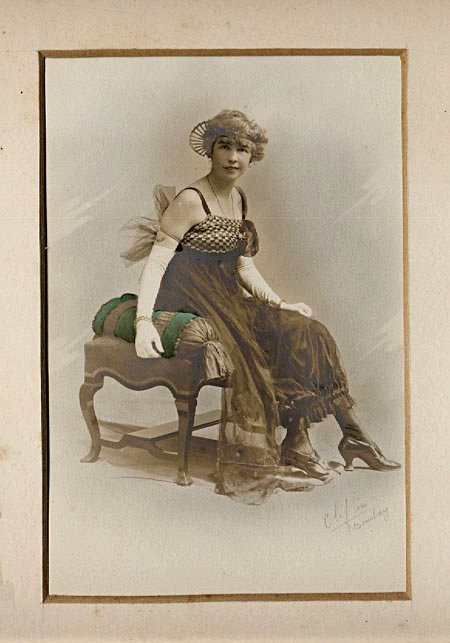
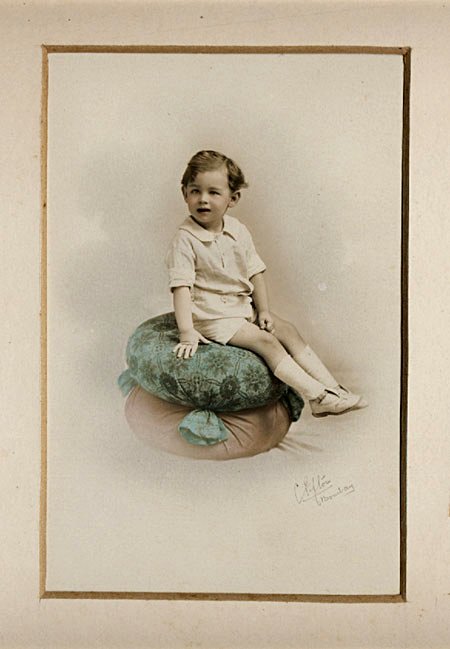
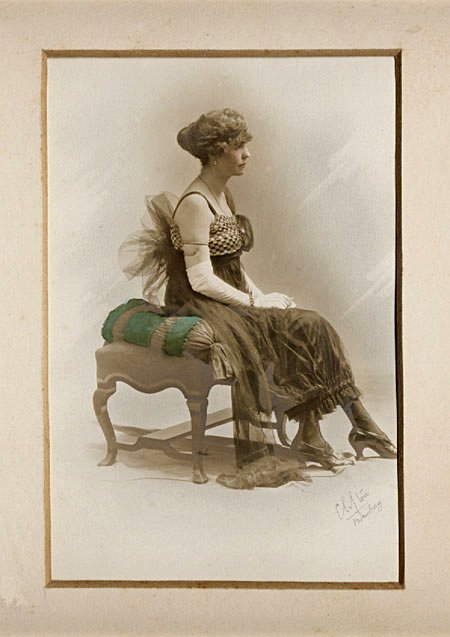
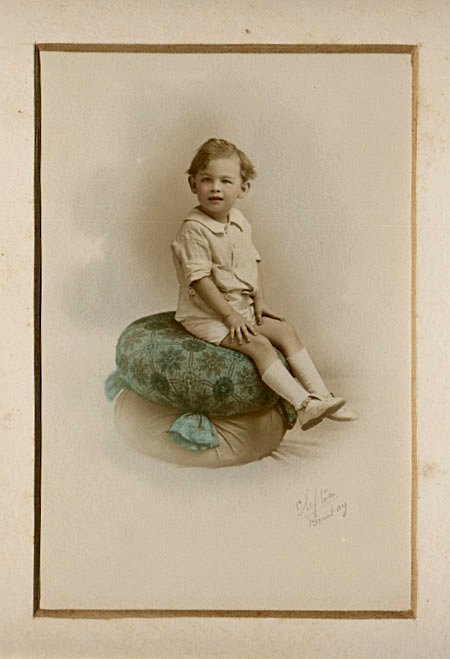
I have a BIRTHDAY BOOK written partly by Elsie and 3 or possibly 4 others - presumably all Soundys - which I have transcribed on the linked page.
For some time after the war Elsie and Dum lived in Wallasey when Peg and Dick were at Nottingham and we used to visit them there. When we moved to Longwaters at Dorney, Dum and Elsie came and lived there with us. My only recollection of her there is in connection with budgerigars of which she seemed to have a great number. I think she bred them though what became of them I have no idea. I remember she had one particular favourite called ‘Dinky’ who came to an untimely end one day when we we were visiting Aunty Georgie. Coming across some uncovered butter he gorged himself to death - or so it was presumed at the time. For more detail of Elsie's life with Dum see the pages devoted to his biography. THIS would be as good a place to start as any.
While we were at Longwaters Dum died and when, shortly after, we moved to King's Road in Windsor Elsie moved with us. She was the first member of the household to acquire a t.v. and it is with her that I remember being first exposed to the allure of the small screen when Superman made a lasting impression. I also remember watching Popeye with her on a regular basis. Elsie also saw to other vital aspects of my education; I had my first experiences of tobacco and alcohol under her tutelage. Both nicotine and alcohol have a close association in my mind with Elsie for the following reasons.
NICOTINE Elsie used to roll her own. The tailor made variety were reserved for special occasions or when in ‘polite society’. She had a small machine with which to produce her cigs. This consisted of a tin with a hinged lid inside which the tobacco and papers were kept. In the top of the lid was a slot and a fabric covered roller mechanism into which the tobacco and paper (licked on special occasions by myself) were placed and, on closing the lid, out popped the finished article from the slot on the top. But that was not the end of it. Each fag-end was carefully preserved, presumably on grounds of economy, and in due course were shredded to form an ever more powerful brew! One of my few memories of Granny away from the house is of her in the car outside the library where we went with Dick on most Saturdays to change our books. While Dick did the necessary in the library, as often as not I would stay with Granny Links in the car and in due course would be rewarded for my attendance by a puff or two.
ALCOHOL Elsie liked the odd tipple but that was all. The one small indulgence of hers that I recall was to have bottled booze delivered by the Victoria Wine Company; an orange wooden crate with a dozen half pint bottles of ‘stout’ (I think Mackeson) for Dick and Babysham for her. When I was at home (at weekends from school or holidays) it was my task to go down stairs to Granny's room where either she, or latterly I would open a bottle of beer and pour it SLOWLY as directed into one of her tall Tuborg lager glasses and carefully ship it upstairs to my father. It inevitably became the custom to allow me a sip of the oh so carefully decanted brew.
Until her death she used to get occasional ‘state visits’ from Dhunjibhoy's widow both at Longwaters and Windsor. I don't really remember these occasions except that they were high days and holidays, from which the keenly anticipated outcome was the receipt of a crisp ten bob note on a good day or half a crown on a bad one. On one such visit I excelled myself, having just embarked on my scholastic career at the village school, by offering to recite a poem. Permission being granted I proved word perfect with
Red white and blue
The dirty kangaroo
Hid behind the dustbin
And did his number two.
My audience was apparently less taken with this than I. What remuneration followed (if any) I forget.
Repeated here is the letter (quoted elsewhere on Dum's pages) from Lady ‘Bom’ (as we always called Sir Dhunjibhoy's relict) that she wrote (5 March 1955) to Dick - or rather “my dear Nelson” as she always called him - on hearing of Dum's death. It concerns Elsie as much as Dum.
It was with feelings of the deepest regret that I learnt of the passing away of your dear Father and considering the circumstances under which he was placed this sad event would seem a merciful release for the dear departed. I am thankful that even after years I had the pleasure to see him in May last and that was solely because of a letter which I received from Mr Law of Maidenhead for which I wrote to thank him last year.
Naturally you would not know why your dear Father left The Willows Cottage, but someone had put an idea into the heads of your dear parents that running a Pub would be more lucrative and they also found difficulty in keeping a servant maid, so they chose to leave a beautiful home - an income of £500 per year as also other advantages, which was such a pity. Your dear Father also would insist upon maintaining that I would not have the means to keep on the Willows Estate, [after Sir Dhunjibhoy's death]; therefore, it would be better to make a break. All my arguments seemed in vain when I personally saw him in November 1937 when I had to come over to obtain the Probate as he had already made his own plans. Captain Elliott-Smith his successor is still with me and of his own free will chose to leave The Willows Cottage about two years ago because he wished to buy a house of his own in Windsor Town where he lives at present, still managing everything for me though of course there is nothing much to manage these days, but I do not believe in sending away those who have served me faithfully - in their old age and so Mr Lucey still remains in my service doing practically nothing at the age of 80 years. Therefore, your dear Father had no reason to think at that time that one of these days he would have to leave my service. I agreed to allow Captain Elliott-Smith to live in the town because it gave me a good opportunity to sell off The Willows Cottage to a Colonel Archibald Dunbar.
In 1949 I sold The Willows and Mr Lucey, Taylor, Mrs Price (who was paying rent) and Pottinger had all to leave. Mr Lucey went into rooms or I should say a room. Taylor came to Pineheath [their property near Harrogate] to act as Butler; for Pottinger I bought a house for £500 to live in as he could not work any more and had been with me for 26 years and Mrs Price was given another flat by the purchasers as anyone paying rent could not be shifted unless alternative accommodation was given. Six months later Captain Elliott-Smith informed me that The Willows Garage was for sale for £2,500, so simply in order to house Mr and Mrs Lucey and the Taylor family I bought it back to send them to live into it again much to their joy and I am being offered Rs 3000/- now by the purchasers but bearing in mind the services of Mr Lucey and Taylor, I have to keep it on although it imposes a heavy strain on me. All this just to point out that I would have seen that your dear parents came to no grief after the demise of Sir Dhunjibhoy and your Father was the only employee on the estate who received Rs 2000/- upon Sir Dhunjibhoy's death. Captain Elliott-Smith got 250 per annum. All this is past history but I have never stopped regretting the mistake that your dear parents made for they have been so unhappy since the Maidenhead Pub proved a failure and that too in no time. They could still have been in The Willows Cottage today. After all they were in Bombay with us and it was a happy association of many years which cannot be lightly brushed aside. I always think of them in the old terms and still have a soft corner for your dear Mother.
I felt very happy at the idea that your dear wife and you had them in your home. [Longwaters, Dorney.] Unfortunately, unlike the Orientals, aged people in England are not cared for so much by their progeny, so it made me think a great deal of Peggy and yourself and I feel sure your joint kindness will bring its own reward. Of course I quite understand that sometimes things become difficult between the elders and the youngsters, but the elders should understand that a new generation with different ideas springs up and these ideas should always be met half way. On the other hand the youngsters must also feel that there is something great in the traditions in which their parents were brought up and so it is with this spirit that I have Mehroo and Phili living with me at Bomanji Hall, Cooverji, his wife and three children - Naval, his wife and two children. We are all a very happy family. I feel sure that you will also look after your dear Mother in her old age and not allow her life to become too miserable even if she has to be on her own later. Mehroo and Phili wish to convey their deep sympathy. Best regards and love to Peggy, the boys and yourself. F.D.B.
She had two small brown poodles, Wendy and Pooky I think, which came from her daughter Doris who used to breed them very successfully. When first in Windsor she used to take them for walks in the ‘Long Walk’ right opposite to where we lived. This was parkland to which the public had free access. A more abiding memory of her is from when she was much older. She would stand at her sitting room window looking out across the park towards Frogmoor where the traitor king and ghastly Wallis are buried, crooning quietly to one of her dogs in her arms and thinking I know not what. Memory may play me false here but her voice and manner of speech were very similar to Doris’. To my ear it had a very slight Indian resonance or intonation in that the words were very precisely enunciated. She also jingled whenever she moved because she wore bangles. She certainly had both glass and metal ones; whether she wore the glass ones I can't remember. Granny Links, a.k.a. Elsie My Soundy, died peacefully sitting in her chair where Peg found her seemingly asleep.
Duncan Linklater © 2025